
Interior design for your new build getting you down?
Eleni Fantis, 09/11/2023

According to the Office for National Statistics, 210,320 new build homes were completed in the year up to March 2023* – so it’s clear that new build homes remain a popular choice for many of us. Of course, there will always be a section of the population that have a preference for period homes – but there are advantages in opting for a brand new house; incentives from developers are great at the moment, new homes are subject to government regulations on heating efficiency, good standards of insulation, and some come complete with solar panels and other sustainable initiatives. To add to that, you won’t have to deal with any dodgy DIY or décor choices, and if you were lucky enough to get in early at the development, will have already chosen the big ticket items such as flooring, tiling and kitchen fittings.
However, it’s no surprise to me that a large proportion of my clients are owners (and sometimes tenants) of new build homes, and that their main requests for help are often the same; ‘it’s too bland’, ‘I want it to feel homely’, ‘there’s so much to do, I don’t know where to start’ etc. They also often feel that furniture from their previous home doesn’t work in the new setting, or just generally needs updating…but that’s a post for another day!
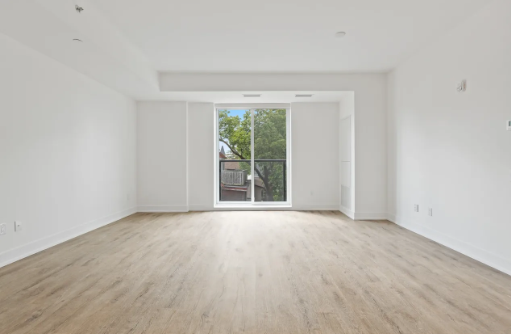
Owners of new homes are generally also told that they must not decorate until the house has had an appropriate amount of time to dry out, and most developers will advise waiting for around 12 months. So, what do you do in the meantime, while you wait for your walls to fully dry? Firstly (a bit of patience required here!), take the time to appreciate the fact that you don’t need to undo anything done by previous occupants, and that this new blank canvas really gives you the opportunity to plan, research, and make decisions on what you want so that your home truly represents your personality, needs and preferences. Remember to consider how you will use the space, what functions need to be carried out, and crucially, how you want the space to feel. (And if the hours of research and multitude of decisions feels overwhelming, then it really is worth hiring a professional to help!). Secondly, there are a number of things you can do to make your new house a home, without disobeying the developer, risking cracks that are hidden by wallpaper, and possibly even invalidating your guarantee – put down the paint chart and read on for my top tips:
1. Consider the lighting, both natural and artificial, that your home has. The best schemes in terms of lighting is one that offers a ‘layered’ approach, giving you different options according to the mood you are trying to create and the tasks that are taking place, so consider adding extra lighting sources such as table and floor lamps, picture and wall lights, decorative pendant lighting and dimmer switches. These will all give you greater flexibility than a row of downlights and a single pendant, and their effectiveness in adding to the style of a room shouldn’t be underestimated.

2. Gallery walls or large statement pieces of art are a great (and often inexpensive) way to brighten up all those plain walls, with the added bonus of making sure your house tells your story – are you a foodie, or love a colourful cocktail? Do you love the countryside, nature, or animals? Or is travel your passion? Whatever it is you love can be reflected on the walls of your home, and actually, white walls are often the perfect backdrop for your favourite artwork.
3. Plants (either real or faux, depending on how green-fingered you are), along with other natural materials like woods, wicker, rattan, sisal and jute, all do a really good job at bringing softness, texture, colour and interest into blank spaces.
4. In much the same way as both art, plants and natural materials, soft furnishings really add so much to a space; think cosy blankets and throws, textured cushions, beautiful bedding, and rugs and runners. There is so much choice available for all of these items, no matter whether your preferred style is soft neutrals, punchy pops of colour, or a touch of luxury.
5. Keeping to the style that you want to eventually have in your space, and in keeping with any art, soft furnishings and other bits of furniture you have or buy, remember to include in decorative items, books, candles, objets d’art (if you prefer minimalism, then obviously keep these to a minimum!). Practical items such as tableware and glasses can also add to the feeling of ‘home’ and none of these items need to have finished walls in order to look good or help to make you feel settled.
6. Lastly (and this is a bigger one!), think really carefully about your windows and your preferred style of window treatment. This really is an area where it is worth spending the maximum you can, without breaking the bank – but there is a huge difference in the quality and therefore, finished look, of bespoke curtains and blinds in comparison to cheap readymade ones. So, buy/order the best that you can, and remember the impact that these can have on your space; whether you choose curtains, blinds, or shutters, it is a great opportunity to tie in all of the other elements of your room, adding colour, pattern, texture, and practicality. (Do remember that if you plan to change your flooring in the future, this should be taken into account for measurements of custom made curtains.)
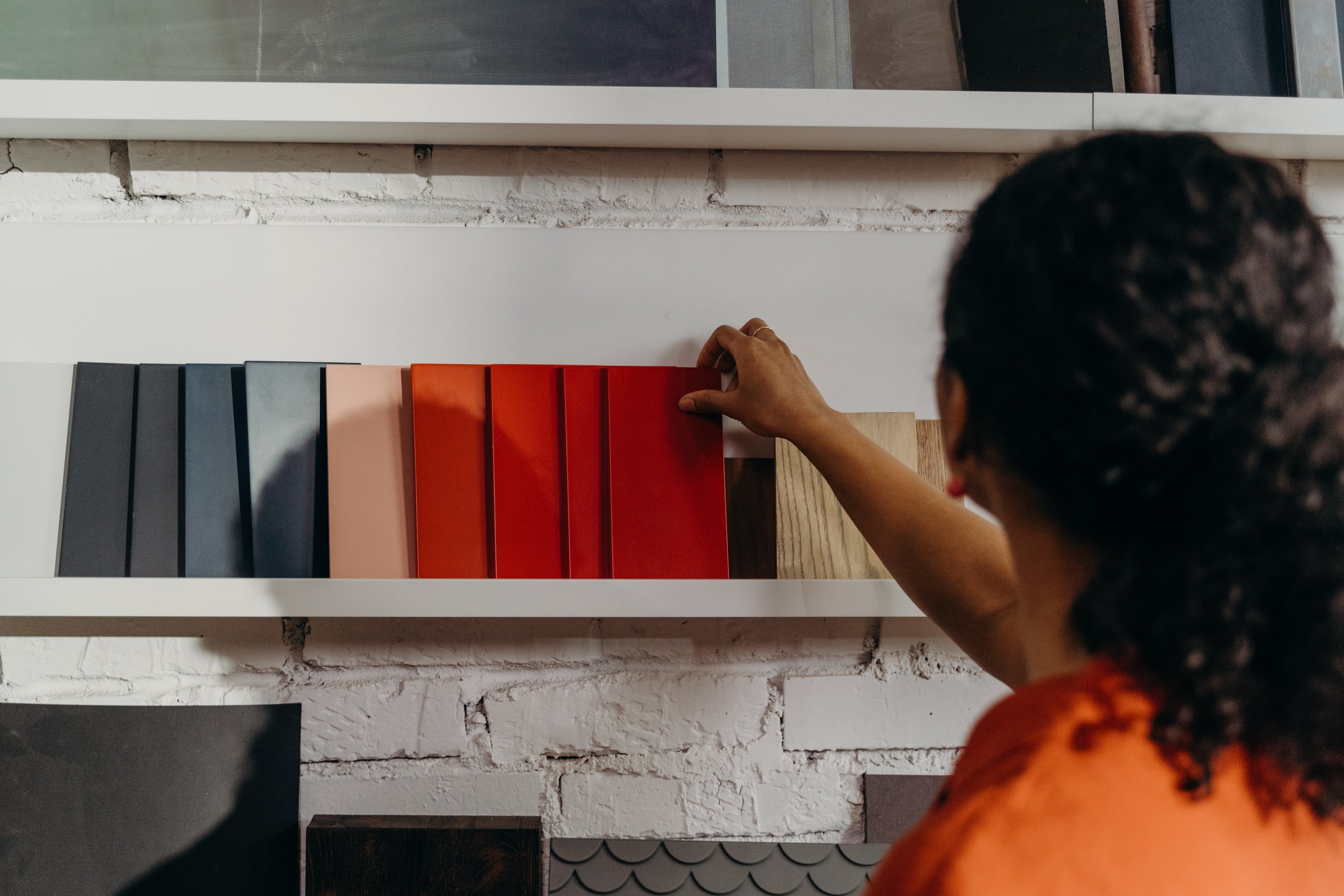
Finally, know that in interior design, one of the last decisions we make is the paint colour, so don’t feel that you can’t do anything until you’ve taken care of that part! Hopefully, the tips above will keep you busy enough, and before you know it, it will be time for you to finish that space with your well-researched and carefully thought through paint colour!